A conversation with Teddy Gérard, Vineyard Manager
Summer has arrived in Champagne with exceptionally high temperatures. How are the vines responding? What are the key challenges in the weeks ahead?
Teddy Gérard, Vineyard Manager at Champagne Philipponnat, shares his insights into a growing season that is proving as promising as it is demanding.
Teddy, how would you describe this vintage as summer begins?
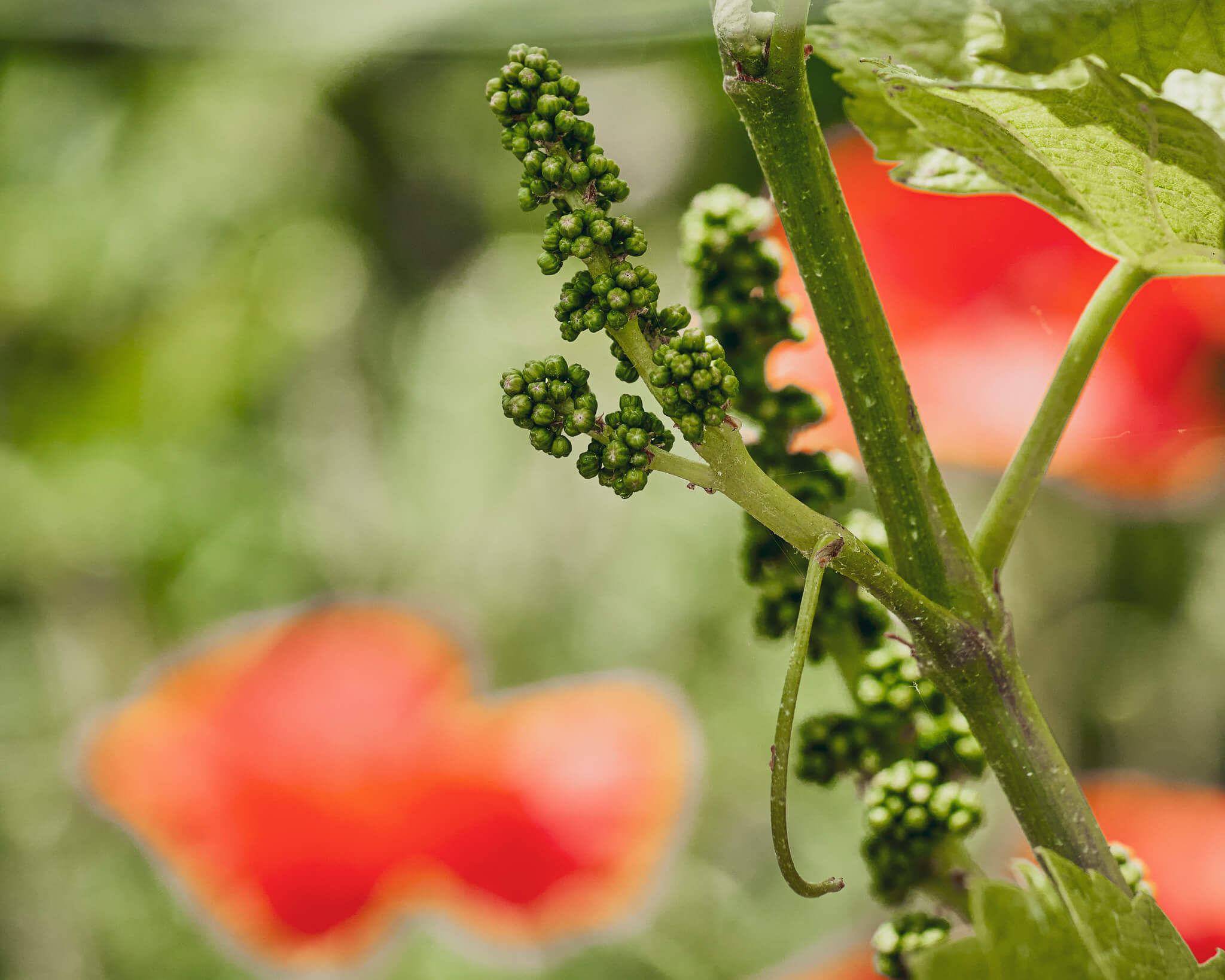
“It has been a fascinating growing season so far. After a rather grey January, a mild, wet February and a warm, dry spring, flowering arrived exceptionally early and progressed at an unprecedented pace. We are currently around twelve days ahead of the ten-year average. We are now experiencing spells of intense heat, often arriving with little warning, which require us to adapt constantly.”
Are these high temperatures a cause for concern?
“It is still too early to assess their full impact, but we remain extremely attentive. Soil water reserves had not been fully replenished before the growing season began. Fortunately, most of the Philipponnat vineyards lie on chalk soils, which act as exceptional natural reservoirs, storing water deep underground. Even so, prolonged periods of intense heat can cause sunburn and heat damage to the grapes, which are now entering their berry development stage.”
Do all of the House’s terroirs respond in the same way?
“Not at all. Every parcel has its own personality. Clos des Goisses, for example, is naturally more exposed thanks to its full southern aspect. This exceptional exposure is one of the reasons the grapes achieve such outstanding ripeness, but it also makes the vineyard more vulnerable during periods of extreme heat. At Le Léon, by contrast, the soils contain more clay and remain naturally cooler, with a deeper, moister subsoil that allows the roots to reach water more easily. Each terroir therefore reacts differently.”
Has climate change led you to rethink your vineyard practices?
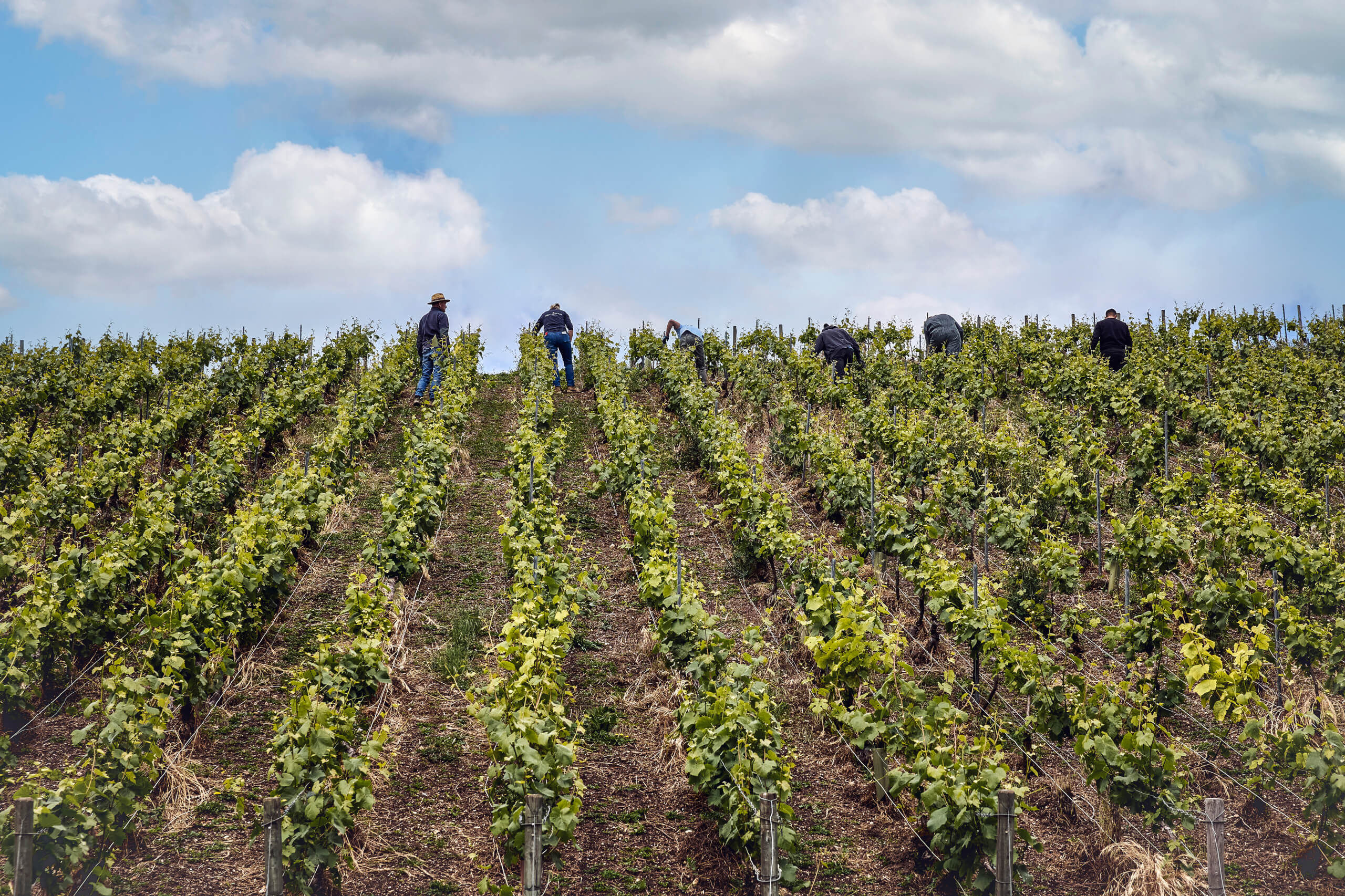
“Without question. A few years ago, our priority would have been to keep the vineyard soils completely bare. Today, we deliberately maintain greater natural ground cover to protect them from excessive solar radiation. We also reduce canopy trimming so that more foliage remains around the bunches. This leaf canopy plays a vital role, shielding the fruit while ensuring the long-term health of the vines.”
Biodiversity is also playing an increasingly important role across the vineyard. Could you tell us more?
“Since last year, we have undertaken an ambitious programme of landscape regeneration, particularly at Clos des Goisses. Lavender, roses and a wide range of flowering plants have been introduced to encourage pollinating insects. We are already seeing a thriving ecosystem, with numerous species of bees, bumblebees and other beneficial insects. Beyond its environmental value, it also enhances the beauty of the vineyard, something we are always delighted to share with our visitors.”
How would you sum up this summer in just a few words?
“I would describe it as an extraordinarily early summer. At the beginning of the season, no one anticipated such intense temperatures, especially after the unusually cool spells we experienced in early May and June. On one hand, flowering conditions were excellent and the vineyard remains in outstanding health. On the other, temperatures are at times becoming excessive. As is so often the case in viticulture, everything ultimately comes down to balance.”