Insights and Analysis from Charles Philipponnat
The 2026 harvest began exceptionally early. What stands out most about this year’s harvest?
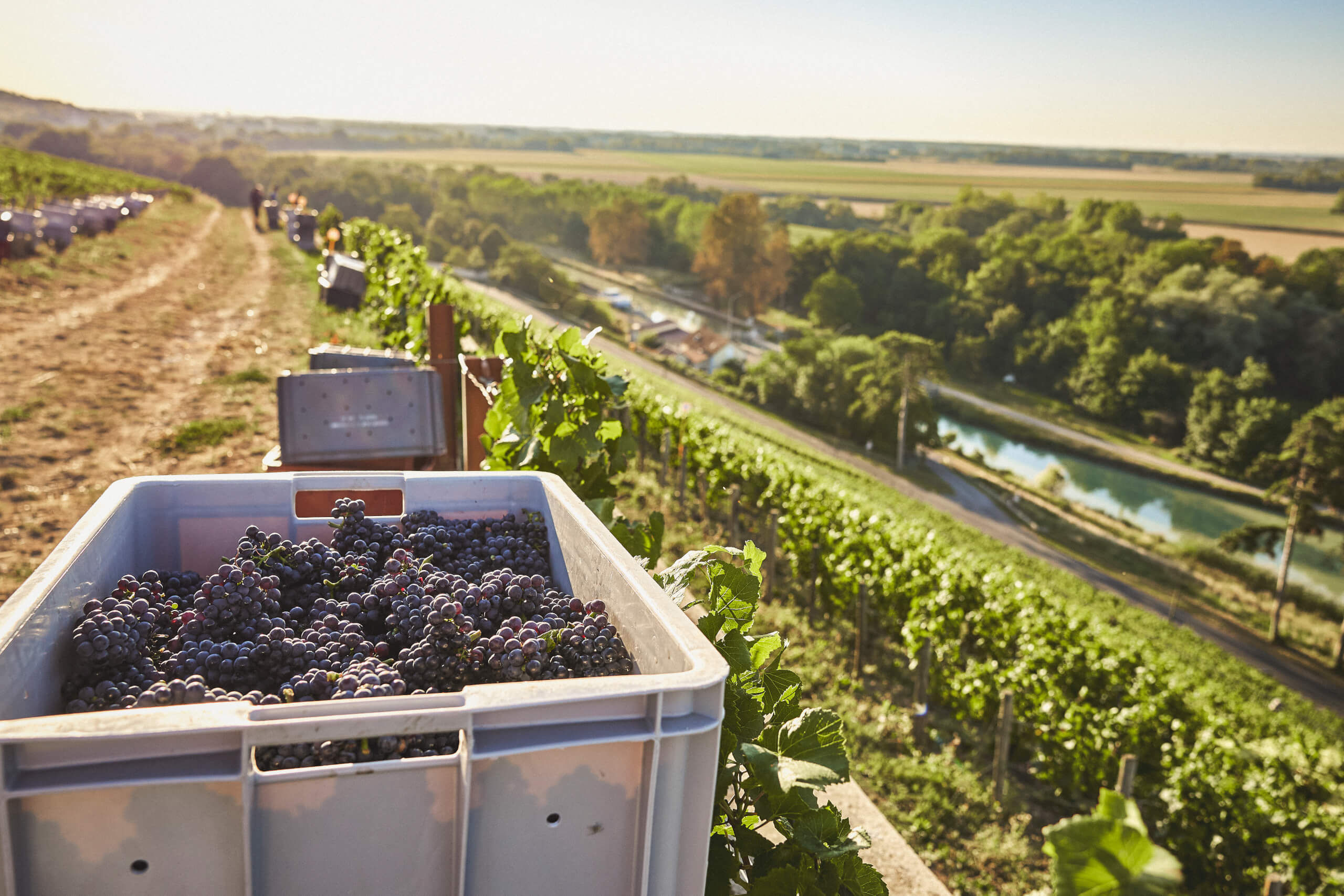
“We began harvesting on 15 August and finished on the 23rd. This is an unprecedentedly early harvest in the House’s entire history. This year, we had completed the harvest by a date on which, in the past, we had never even started.
But what stands out above all is the exceptional quality of the grapes. Despite lower yields, the fruit was perfectly healthy and ripe, with outstanding Pinot Noir and Meunier and, most remarkably, an impressive freshness considering the intense summer heat.”
Did all the grape varieties respond in the same way to this year’s conditions?
“The black grape varieties performed particularly well. Meunier benefited from being frequently planted in slightly cooler, more humid areas along the valley slopes, where it suffered less from drought and heat. The grapes are truly beautiful. The Pinot Noir is equally outstanding, showing remarkable quality, with particularly high levels of ripeness in some parcels. Chardonnay also achieved excellent ripeness, although potential alcohol levels are more of a consideration for certain batches.
At Philipponnat, the average potential alcohol level across our entire harvest is around 11%. This is ultimately quite moderate given the conditions of the vintage and should allow us to create blends that retain sufficient lightness and freshness to remain entirely faithful to the distinctive character of our Champagnes.”
Yields are lower this year. How do you explain this?
“We have indeed had a small harvest, but it is important to distinguish between quantity and quality. Several episodes of spring frost had already reduced our potential yields. Flowering then took place under exceptionally high temperatures, resulting in considerable millerandage, with smaller bunches and berries.
Across the House’s vineyards, we ultimately harvested an average of 5,600 kg per hectare. Among our partner growers, the average was closer to 7,000 kg per hectare. Quantities were limited, but the quality of the grapes was magnificent. Ultimately, that is what matters most when considering the wines we will be able to produce.”
Does this exceptional level of ripeness change your approach to the forthcoming blends?
“This is probably one of the most interesting aspects of the vintage. Normally, we naturally seek out the ripest grapes, as they bring greater character and balance. This year, however, certain batches with slightly lower potential alcohol levels may prove particularly valuable in bringing freshness to the blends. This is quite unusual in Champagne.
We have several ways of preserving the balance that is so important to us. Selecting the right batches is one, of course, but there is also the work carried out in the vineyard throughout the year, canopy management, and the decision whether or not to allow malolactic fermentation, which enables us to retain more malic acid and preserve the wines’ vibrancy.
The still wines from the 2026 harvest have already completed fermentation, a natural consequence of such an early harvest. We will probably begin our blending tastings in early December, once again considerably earlier than usual.”
Does your experience with Clos des Goisses provide an advantage when dealing with increasingly warm vintages?
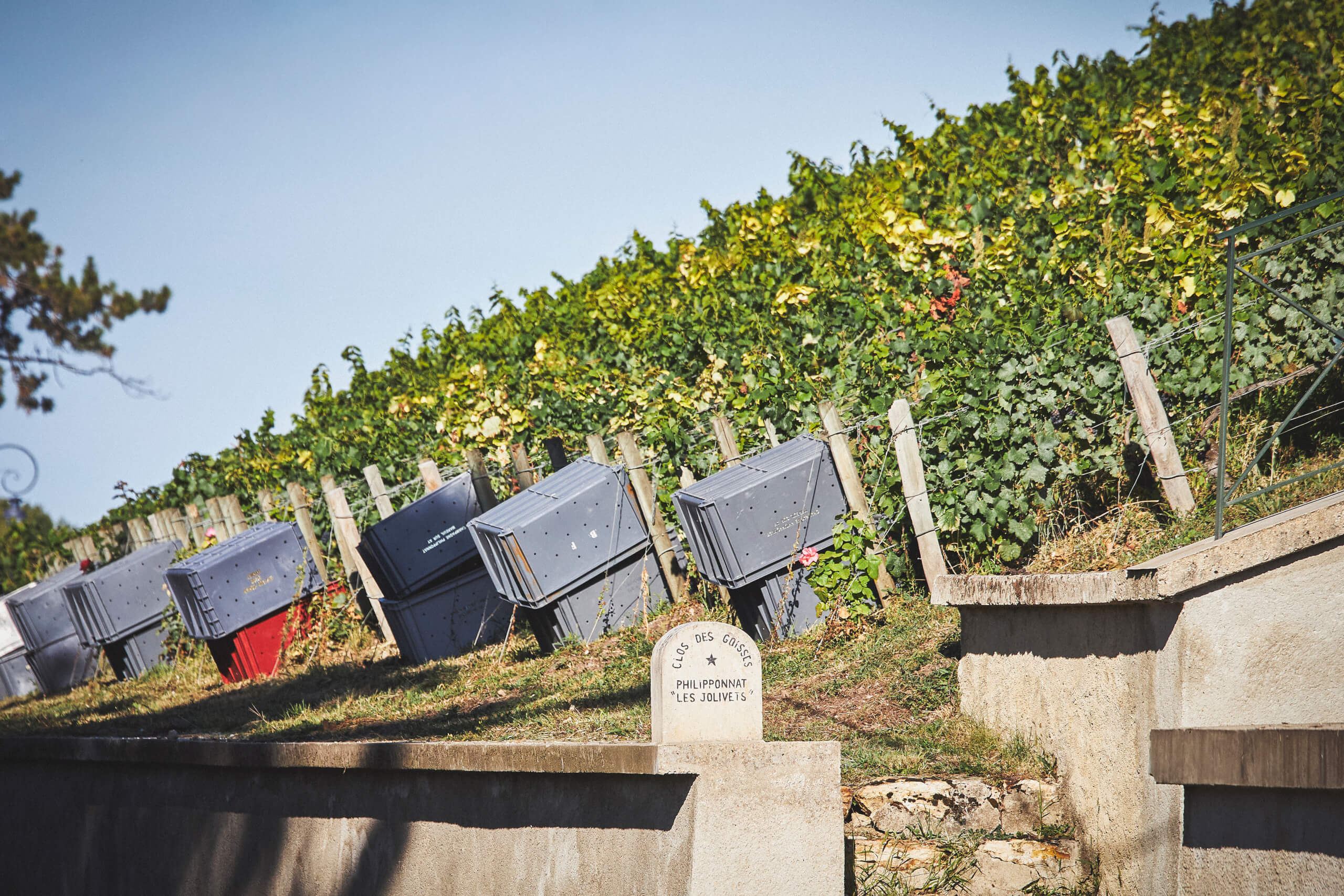
“Yes, to some extent. Thanks to its location and exposure, Clos des Goisses has long given us experience of working with naturally riper grapes. It is therefore an exceptional place for observation and experimentation. But above all, the soil and subsoil remain decisive. The mineral character that comes from our chalk is always present. It is a constant on which we can rely.
We are also thinking about the longer term. This year, we began studying Arbane, a historic grape variety authorised in Champagne, which naturally retains higher acidity. We have carried out our first vinifications and observed how it behaves, and we are considering planting it in our own vineyards.
Of course, the aim is not to change the Philipponnat style, which is built around Pinot Noir, but to continue learning and ensure that we have the means to preserve the balance that defines our identity in the years ahead.”
Could we already envisage single-vineyard cuvées from the 2026 vintage?
“It is still too early to say, but the quality of the grapes is there, and the balance observed at harvest is promising. Everything will depend on the tastings. If the wines show balance and freshness, without any excessive impression of alcohol, we may naturally consider producing vintage cuvées. As always, the final decision will be made in the glass.”