A selective vintage
Interview with Charles Philipponnat
Charles, how are you approaching this vintage through the tasting of the clear wines?
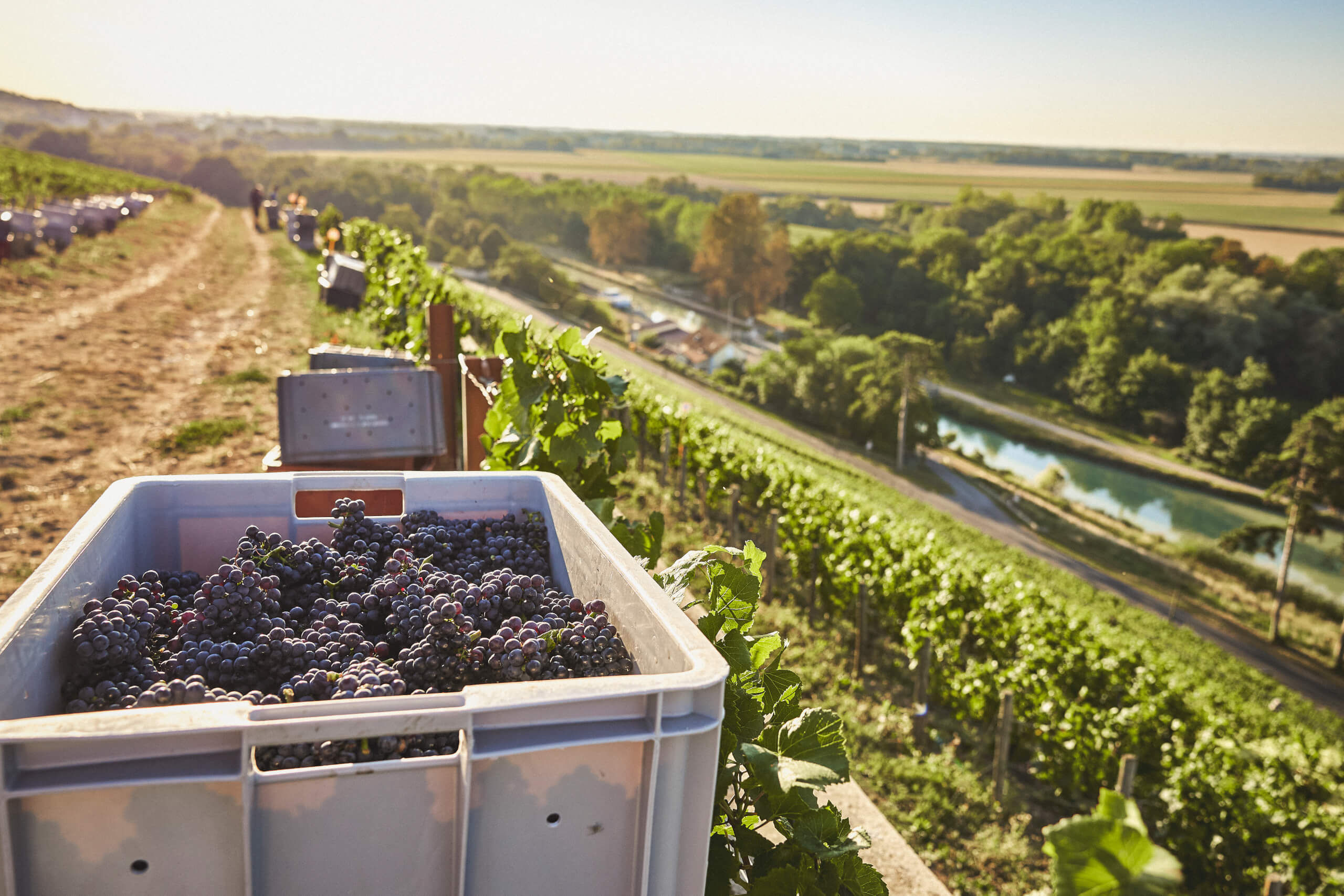
“2025 is a vintage I would describe as ‘selective’. At first, there was some concern about a potential imbalance in the raw material, particularly for the white grapes, even though black grape varieties remain largely dominant for us.
What concerned us most was the gap between technical ripeness, reflected in sugar levels and potential alcohol, and aromatic ripeness. The grapes were very ripe, analytically irreproachable, but we had doubts about aromatic finesse and their ability to move beyond slightly vegetal, even herbal notes.
Ultimately, during tastings, we discovered elegant, refined wines with beautiful freshness. This was especially true of grapes harvested at full ripeness, which is always our objective. The initial concern has therefore largely dissipated: when maturity is properly achieved, the quality is remarkable.”
Does this observation apply equally to whites and blacks?
“At Philipponnat, it mainly concerns the black grapes, as they dominate our vineyard. But it is also true for certain white grapes. We tasted some truly remarkable Chardonnay, even if overall they are slightly behind the black grapes this year.
Thanks to Teddy Gérard, our Vineyard Manager, we identified new sources of very high-quality supply, particularly among Premiers and Grands Crus. Some of these parcels stood out during the clear wines tastings. We were therefore able to select the best wines from the finest plots in line with our quality standards.
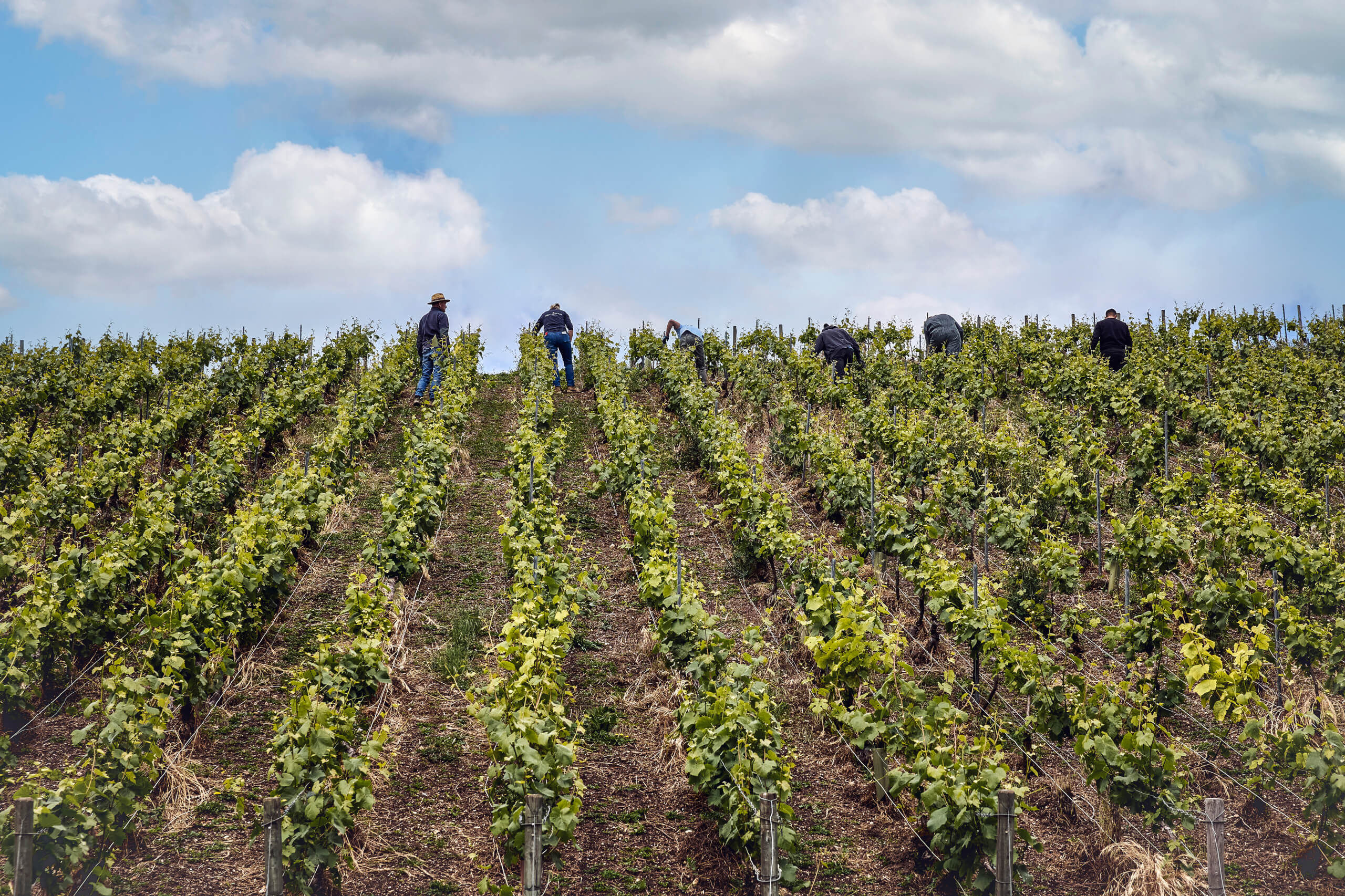
Another feature of the year is that it allowed us to cultivate the entire vineyard according to organic principles, without formally entering into conversion. Our aim is to apply the most respectful practices possible while retaining a degree of flexibility should climatic conditions become more challenging. The 2025 season lent itself well to this approach, so we implemented it.”
How are the tastings conducted?
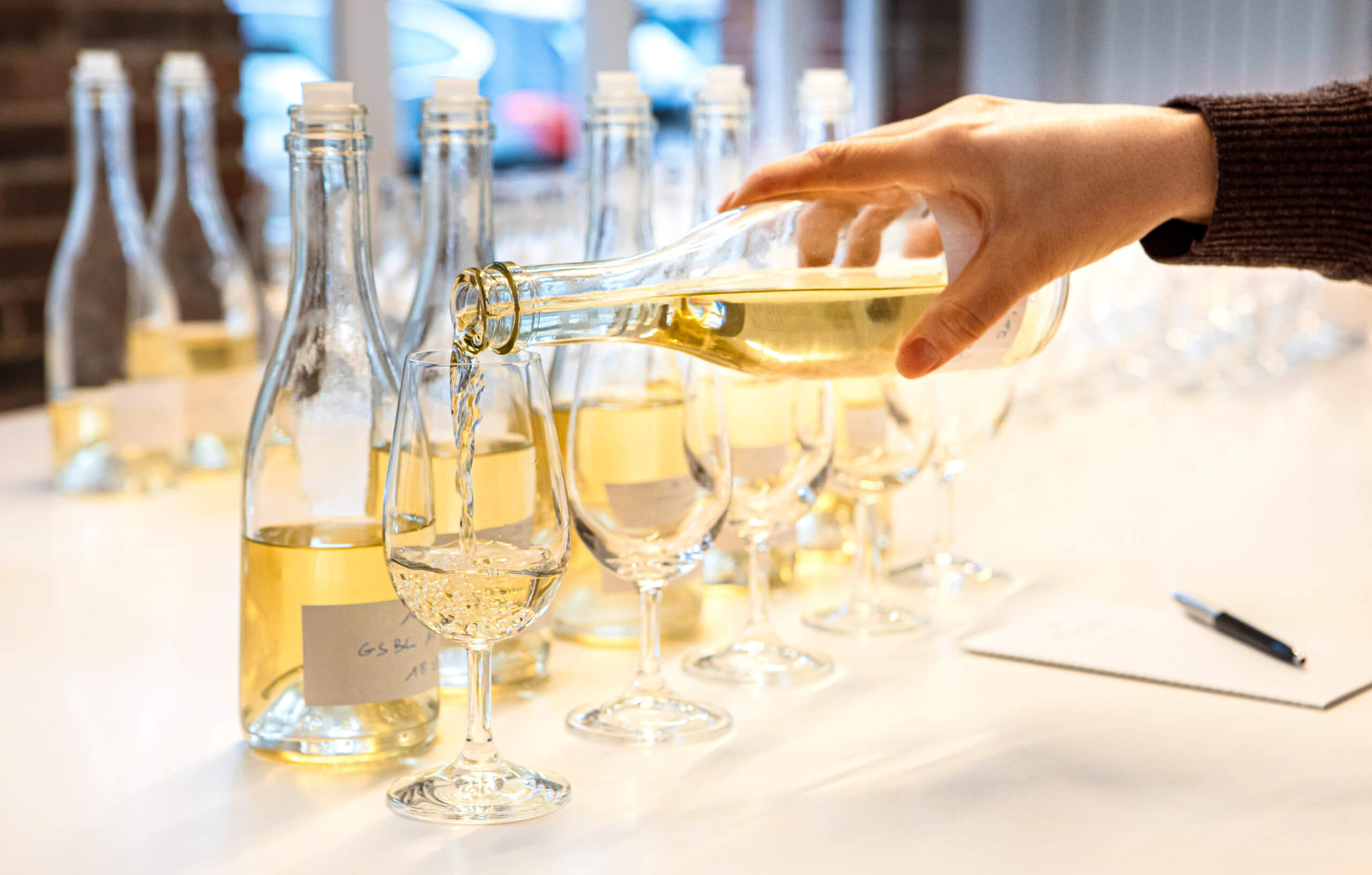
“The core of the tasting committee is our Chef de Caves, Thierry Garnier, and myself. Around us, we involve several experienced team members, capable of bringing valuable perspectives. Collective tasting is essential: everyone perceives different things.
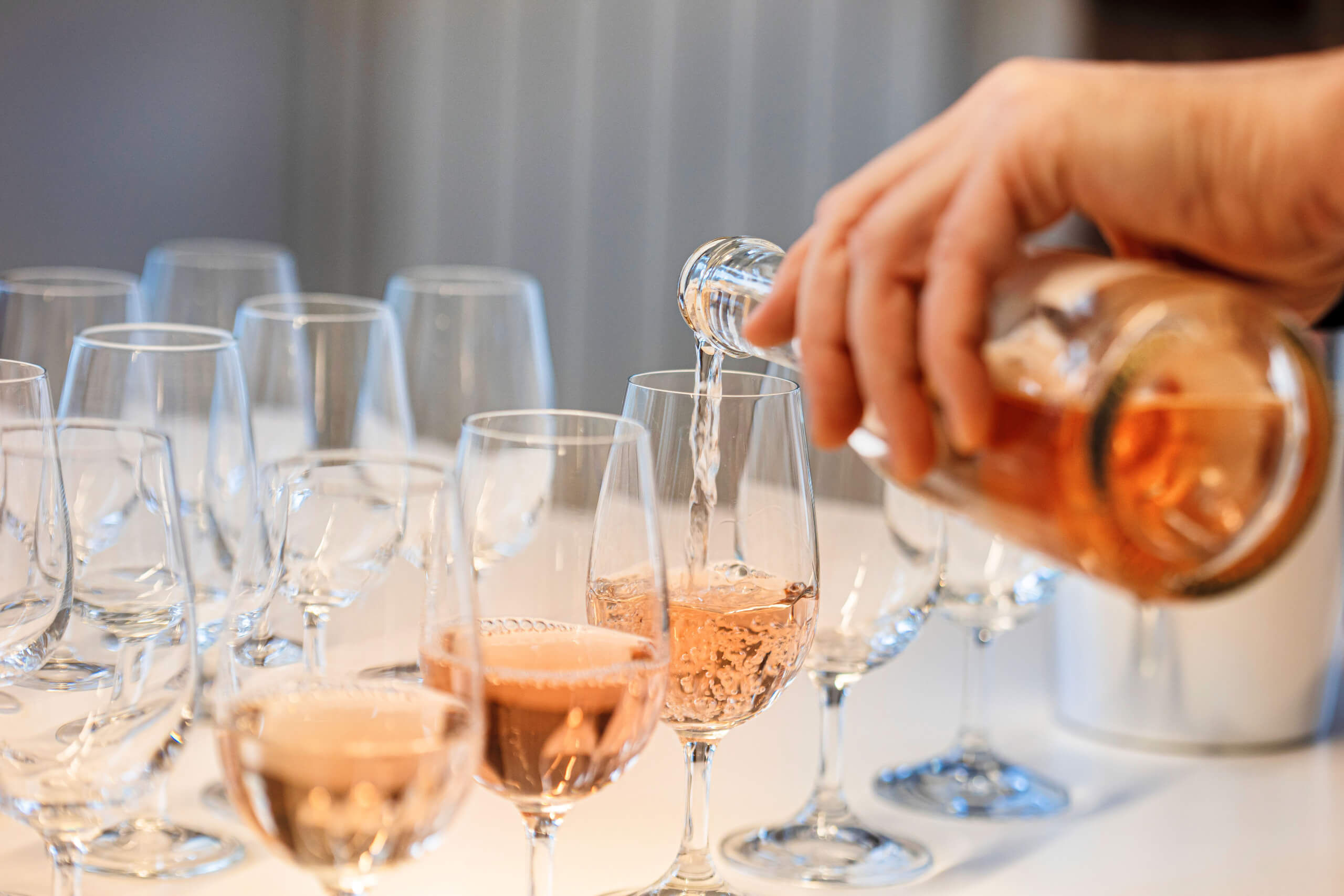
We proceed in several stages. From January onwards, we assess each wine, sometimes several times. Then, from March, we begin working on blends cuvée by cuvée. It is a highly iterative process: we taste, adjust, start again until we reach the ideal balance, one that matches the House style and that we consider impossible to improve.”
Will you be making vintages this year?
“There will be vintage wines, yes, but not systematically. At Philipponnat, we prefer to make vintages frequently, but in small quantities.
In my view, the quality of a vintage wine does not depend on the vintage itself: the vintage gives character, but quality relies on the selection of terroirs, sourcing, grapes, as well as on vinification and blending choices. Blending is also about elimination. If everything is included, it is not truly a qualitative blend.
At Philipponnat, we will not develop any rosé vintages this year, whether for our Rosé, our Clos des Goisses Juste Rosé or our 1522 Rosé. For some cuvées, the decision has not yet been entirely finalised.
To summarise, 2025 will not be a year of great aromatic power, despite the richness of the grapes, but rather a year of elegance. Some draw comparisons with 1982. If that were the case, it would be very satisfying, but I remain cautious: the climate has changed, the balances too, and today’s wines are different.”