Meet Teddy Gérard, Vineyard & Supply Manager

Teddy, what role does winter play in the vine’s lifecycle and how do you organise your work during this period?
“In the vineyard, winter begins in earnest when the leaves fall and the vine enters dormancy. Visually, everything seems to stand still, but for us it’s the beginning of one of the most important stages of the year: pruning. From November to early or mid-March, our eight permanent workers – a real asset for the House – spend their days in the vineyard. The gesture remains the same, precise and repeated, because it is this technical know-how that will determine the longevity of the vine, its yield and, in part, the future quality of the grapes.
Our philosophy is clear: to ensure the longevity of the vine by pruning it short. This enables natural yield control and grapes of great purity – the hallmark of Philipponnat cuvées. Winter is also a time for observation, when we quietly prepare for the coming campaign.”
What winter conditions do you have to adapt to, and how do they affect your decisions?
“The major risk today is no longer the extreme winter frosts our forebears knew, but spring frosts. With climate change, vines are budding earlier and becoming more vulnerable. To limit this sensitivity, we adjust pruning: the Chardonnay vines and young vines, which bud earlier, are pruned later to delay their budburst. Even in winter, the vine is not alone: the biodiversity of the soils, the balance of nature and variations in temperature all influence our decisions. The winter season calls for anticipation and a high level of responsiveness. Each intervention has to be just right, at the right pace, in keeping with our desire to work with nature rather than trying to control it at all costs.”
Does the Clos des Goisses vineyard require special attention in winter?
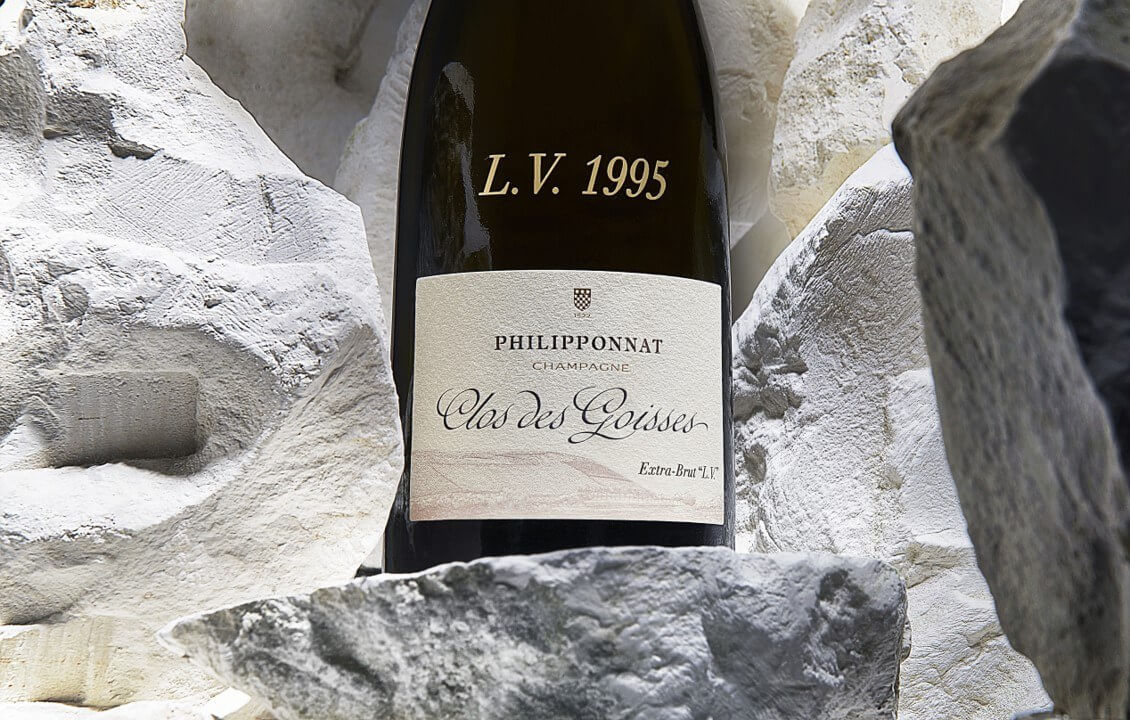
“Yes, absolutely. This is a very special vineyard, unique in Champagne: with slopes of up to 45°, a south-facing exposure, a shallow soil resulting from the degradation of soft white chalk… In winter, pruning is even more decisive, as it determines the future balance of this extreme terroir. In the Clos des Goisses vineyard, the grapes are always very ripe and concentrated, the yields are naturally low, and every action must maintain this precious harmony. The Clos des Goisses is also a wonderful ground for experimentation. The conditions here are warmer than in the rest of the vineyard; this allows us to anticipate the effects of climate change and adapt our practices across the entire Philipponnat vineyard. It is a place where we learn a great deal, and where each winter writes the next chapter of the story of the vintage to come.”